

Early Warning for Lithium-ion Battery Safety
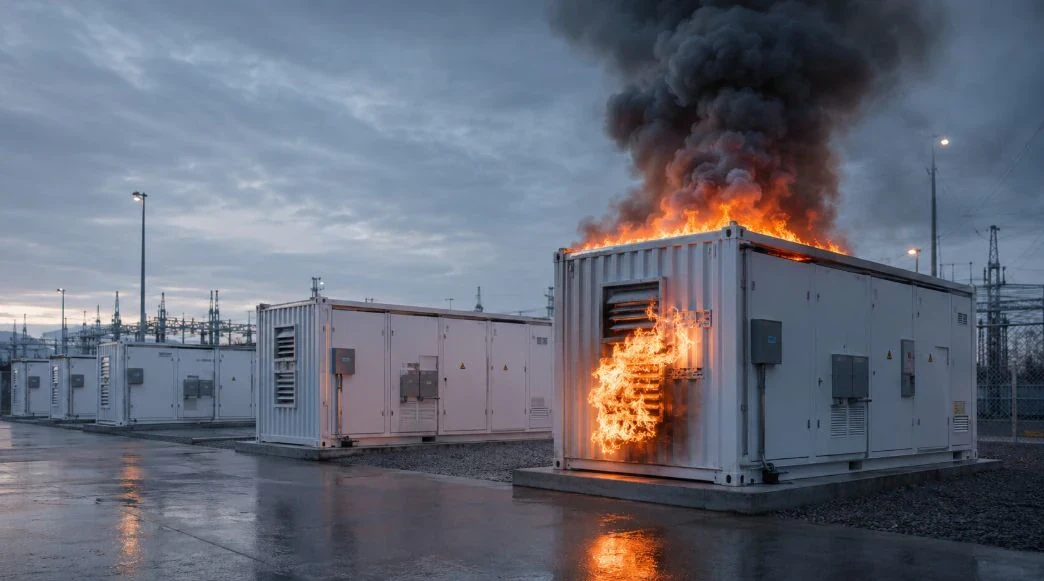
Lithium-ion batteries play a central role in modern energy storage, but failures can develop rapidly and create serious thermal runaway risks. Early detection is therefore an important part of a layered battery energy storage system (BESS) safety strategy.
During some battery failure scenarios, characteristic gases—including hydrogen (H₂) and carbon monoxide (CO)—may be released before conventional smoke or heat signals become apparent. The gas composition and release timing depend on battery chemistry, operating conditions and the failure mechanism.
Kesensor's KS-Galaxy series supports H₂ and CO detection for BESS applications. When connected to an appropriately designed safety system, gas detection signals can support early alarms, ventilation, equipment isolation and other project-specific protective actions.
Effective early warning depends on more than sensor selection. Detector placement, alarm thresholds, response logic, validation testing and system integration all determine how an early signal can be converted into a useful safety response.